
La hora en inglés y español.
Empecemos este artículo con algunos ejemplos de cómo se debe decir la hora en inglés y español.
Time in Spanish and English
Want to sound natural everywhere? Balance your Spanish knowledge with our core training in Latin American Spanish.
| RELOJ | UK (British) | USA (American) | Español (Latam/ES) |
|---|---|---|---|
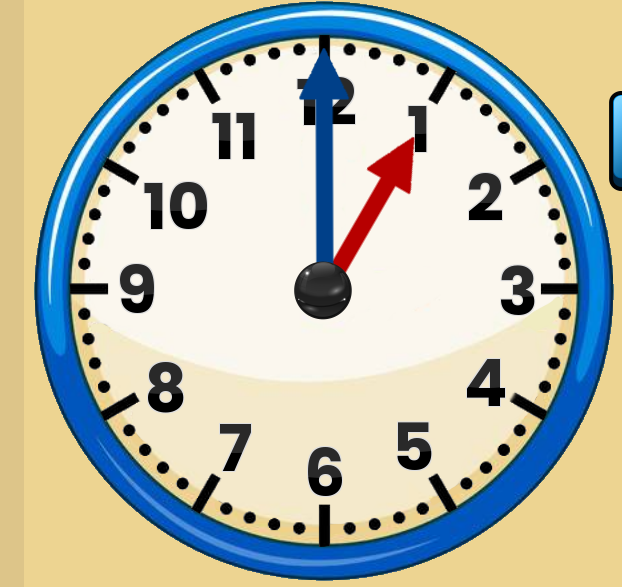 |
It’s one o’clock | It’s one o’clock | Es la una en punto. |
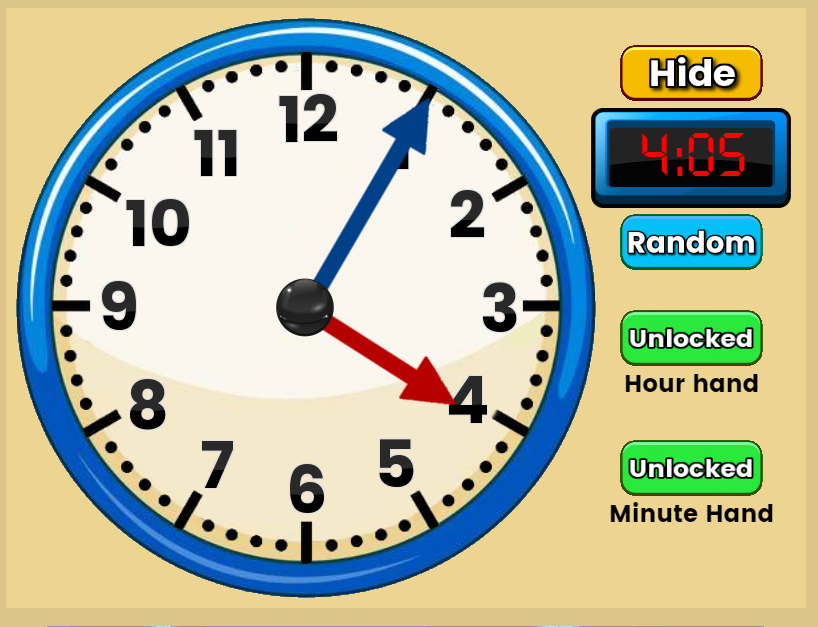 |
It’s five past four | It’s four oh five | Son las cuatro y cinco. |
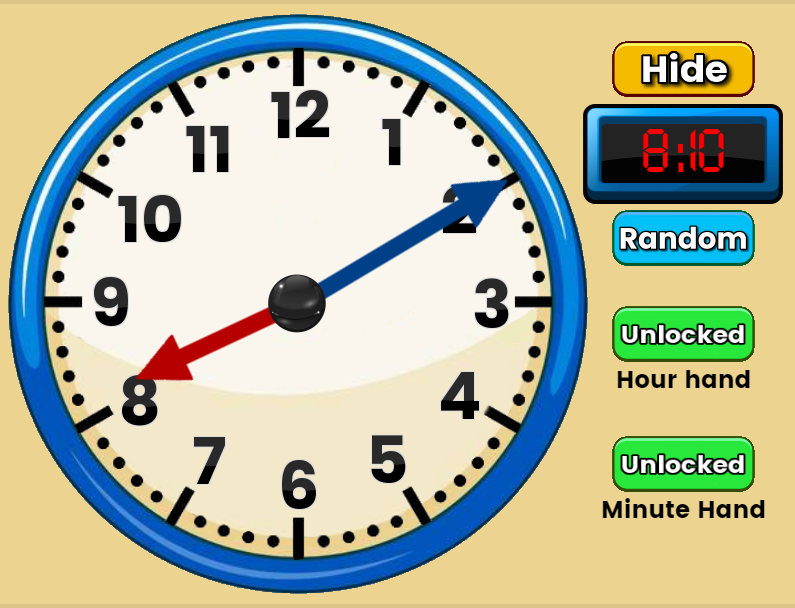 |
It’s ten past eight | It’s eight ten | Son las ocho y diez. |
 |
It’s (a) quarter past ten | It’s ten fifteen | Diez y cuarto / Diez y quince. |
 |
It’s (a) quarter to 3 | It’s two forty-five | Dos y cuarenta y cinco / Tres menos cuarto. |
 |
It’s ten to seven | It’s six fifty | Seis y cincuenta / Siete menos diez. |
 |
It’s half past ten | It’s ten thirty | Diez y media. |
 |
It’s twenty-five to two | It’s one thirty-five | Dos menos veinticinco / Una y treinta y cinco. |
La hora en inglés y español
01:15 pm. a quarter after one (US) (a) quarter past one (British). Es la una y cuarto.
12:45 am. a quarter of one (US) (a) quarter to one (British). Es la una menos cuarto; (España) Es un cuarto para la una (Latinoamérica).
| No se dice | Sí se dice | Sí se dice |
| fifteen past… | quarter past…. | ……fifteen |
| thirty past…. | half past…… | ……thirty |
| fifteen to….. | quarter to…. | ……forty-five |
The time is five minutes to eight: son las ocho menos cinco minutos (España) Faltan cinco minutos para las ocho (Latinoamérica).
Ahora veamos cómo podemos pedir la hora en inglés y español..
What time do you make it? (British) ¿Qué hora es aproximadamente?
What’s the time? What time is it? ¿Qué hora es?
Do you have the time? ¿Tienes la hora?
Do you have the right time? ¿Tienes la hora exacta?
Expresiones útiles para decir la hora en inglés y español.
Time in Spanish and English
| ESPAÑOL | INGLÉS |
| DE LA MADRUGADA Me levanté de madrugada | AT DAWN / DAYBREAK / VERY EARLY (IN THE MORNING) I woke up very early in the morning, I woke up at dawn, l woke up at daybreak, I woke up very early in the morning |
| DE LA MAÑANA Nos vemos a las nueve de la mañana | IN THE MORNING See you at nine o’clock in the morning |
| Del mediodía Son las doce del mediodía | noon It is noon |
| De la tarde Empiezo a trabajar a las 2 de la tarde. | In the afternoon I start work at two in the afternoon. |
| De la noche Son las nueve de la noche. | In the evening It is nine in the evening. |
| De la medianoche Son las doce de la noche o madrugada Son las doce y cuarto de la madrugada | midnight It is midnight It is quarter past midnight |
| m (antes del mediodía) | a.m (ante meridiem) |
| p. m (Después del mediodía) | p.m (Post meridian) |
La hora en inglés y en español no se puede traducir literalmente. Sin embargo con la 1 (una) podemos usar la tercera persona del singular “ES”. Por ejemplo, it is one o’clock (es la una en punto), ya que “is” significa “es” en español.
It’s 1:00 pm. It is one o’clock in the afternoon. Es la una de la tarde.
Pero, en español, desde las dos hasta las doce siempre debemos usar la tercera persona del plural “son”.
Ejemplos:
Son las dos, son las tres, son las cuatro, son las cinco, son las seis, siete y así sucesivamente hasta las doce.
It’s 11:25 am. Son las once y veinticinco minutos de la mañana (it is eleven twenty five in the morning).
It is 10:05 p.m. It is ten oh five or five past ten in the evening (son las diez y cinco de la noche).
Tenemos dos estructuras para decir la hora en inglés de 0 a 29 minutos.
- It’s + minutes + past + hour.
Ejemplos
2:10 pm. It’s ten past two in the afternoon. (Son las dos y diez de la tarde)
3:15 am. It’s (a) quarter past three in the morning (Son las tres y cuarto de la madrugada).
- It’s + hour + minutes
2:10 pm. It’s two ten in the afternoon (Son las dos y diez de la tarde o son las dos con diez minutos)
3:15 am. It’s three fifteen in the morning (Son las tres y cuarto de la madrugada o son las tres con quince minutos).
O’CLOCK significa EN PUNTO
Si queremos decir “son las siete en punto” en inglés, debemos usar O’CLOCK.
Ejemplos:
7:00 am. It is (exactly) seven o’clock in the morning. (Son las siete (en punto) de la mañana).
9:00 pm. It is nine o’clock (sharp) in the evening (Son las nueve (en punto) de la noche).
Decir en punto (O’clock) es opcional. Yo puedo decir:
Son las nueve de la noche (It’s nine in the evening).
Usamos exactly, sharp y on the dot sólo para ser más específico.
Es la una en punto (It is one o’clock sharp).
Son las nueve en punto de la noche (It’s nine o’clock sharp in the evening).
Son las ocho y media en punto (It is half past eight on the dot).
Ahora, si no quieres decir la hora exacta, puedes usar “Nearly”
Ejemplo:
It is nearly nine o’clock (Son casi las nueve)
También puedes decir:
It is just after nine o’clock (Son las nueve pasadas, son un poco más de las nueve).
También la hora se puede usar como adjetivo.
Ejemplo:
The eight o’clock bus (El autobús de las nueve).
Ahora bien, si alguien te pregunta a qué horas realizas una actividad, debes responder con AT.
AT PARA DECIR LA HORA
at: a las (Time in Spanish and English)
Ejemplos:
What time do you wake up? ¿A qué hora te despiertas?
I wake up at 7.30 a.m. Me levanto a las 7:30 a. m.
Es importante destacar que en inglés a.m. / p.m. se escriben pegados, mientras que en español se escriben dejando un espacio en el medio a. m. / p. m.
Ahora pon en práctica lo que has aprendido hasta ahora y escribe la hora en inglés y español.
a) 8:30 p.m.
b) 2:00 p.m.
c) 9:45 a.m.
d) 10:15 a.m.
e) 12:00 p.m.
f ) 12:00 a.m.
g) 2:20 a.m.
h) 9:05 p.m.
i ) 1:00 p.m.
j) 12: 45 a.m.
REPUESTAS a los ejercicios para decir la hora
Posibles respuestas:
a) It is half past eight at night (Son las ocho y media de la noche).
b) It is exactly two o’clock in the afternoon (Son las dos en punto de la tarde).
c) It’s a quarter to ten in the morning (Son las nueve y cuarenta y cinco o son las diez menos cuarto de la mañana).
d) It is ten fifteen or it is (a) quarter past ten (Son las diez y cuarto).
e) It’s twelve o’clock on the dot in the afternoon (Son las doce en punto de la tarde).
f ) It’s twelve o’clock sharp, midnight (Son las doce en punto de la medianoche).
g) It’s two twenty or it’s twenty past two at the crack of dawn (Son las dos y veinte de la madrugada o son las dos con veinte de la madrugada).
h) It’s nine oh five or it’s five past nine (Son las nueve y cinco de la tarde).
i ) It’s one o’clock sharp in the afternoon (Es la una en punto de la tarde).
j) It’s twelve forty five or it’s a quarter to one in the morning (Son las doce y cuarenta y cinco o falta un cuarto para la una de la mañana).
Stop guessing and start passing. Join our SIELE exam courses now.
